
Mobile patrol security: when and how to use it
What mobile patrol security is, where it beats a fixed post, and how to choose a provider and run patrols that actually deter crime and respond fast.
By Knighthood Team
Published 3 August 2023
Updated 24 August 2026
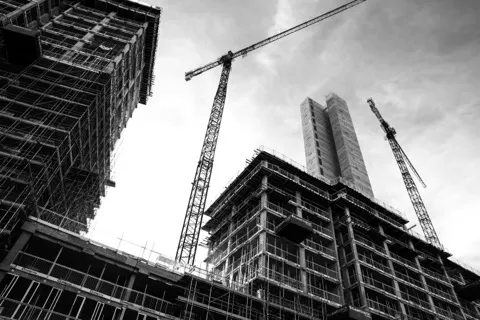
A fixed post is the right answer for a gate or a reception. But for large perimeters, construction sites, multi-location property and communities, a mobile patrol is often the better fit: a team that moves, covers the whole area, and responds where an alert actually happens.
This guide covers when mobile patrols make sense, how to run them so they actually work, and how to choose a provider that is accountable rather than just present.
When mobile patrols beat a fixed post
- Construction sites — high-value equipment and materials sit unattended overnight behind porous boundaries. A patrol provides an unpredictable presence that makes the site a hard target.
- Large or multi-site premises — one static guard cannot watch every boundary and staging area; a patrol can check all of them.
- Communities and commercial property — monitoring activity across many entrances, residents and visitors.
- High-risk locations that need response — a bank or a site under threat needs a human who can act, not just a camera that records.
Mobile patrols work best combined with technology: remote monitoring and video analytics raise the alert, and the patrol is the response. Technology detects; people act.
How to run patrols that actually work
A patrol is only as good as the discipline behind it. Four things make the difference:
- Clear routes and checkpoints. Define the patrol route, the checkpoints, and exactly what the guard must verify at each. Specify the frequency and what to do when something is wrong.
- Verified coverage. Track patrols with QR-code scanning, GPS or RFID. Managers can confirm every checkpoint was visited, and guards know their work is being checked — which discourages cutting corners.
- Scheduling that covers the gaps. Use a scheduling system that assigns shifts properly so no area goes uncovered and no guard is stretched across conflicting duties.
- Training and supervision. Patrol officers need real training — patrol procedures, emergency response, use of equipment — and ongoing development as the security landscape changes. A supervisor must own the route.
Review the data. The tracking records from patrols are a management tool: they reveal problem areas, missed checkpoints and patterns of incidents that you can fix by changing routes or adding coverage.
Choosing a provider for mobile patrol
Because the officer is away from a central gate, the contract and the accountability layer matter even more. Check:
- Licence and compliance — a valid PSARA licence for the state, and clean labour compliance (wages, PF, ESI). See compliance and licences.
- A control room with real communication — regular contact with patrol officers and a monitored response line, not just a phone that may be unanswered.
- Automated reporting — reports and records generated automatically, so attendance and incidents are not a matter of memory.
- Uniforms and marked vehicles — properly labelled uniforms and registered, marked patrol vehicles. They deter, and they prove the provider is a real, accredited operation.
- Finances and registration — a registered business that issues valid GST invoices and pays its labour obligations. A provider that evades compliance is a liability, not a bargain.
The bottom line
Mobile patrol security gives you coverage and response where fixed posts cannot — but only if the routes are real, the tracking is enforced and the provider is licensed and monitored. Used with remote monitoring, it is the difference between a system that records a crime and one that prevents it.
If you are comparing patrol options for a site, community or construction project, send us the area, the shift pattern and the risks, and we will confirm the patrol design and the licence position for your location — see security services and how we work.
Send the requirement
If this post points at a decision you are close to making, send us the scope — sites, roles and shifts — and we will confirm the licence, supervision and commercial position for your situation.
Discuss your requirement